By Khadija Akter Lita, from Netrakona
People from neighboring villages often visit Morjina Begum’s home because it has become a shining example of local agroecological learning. Married at just 14, Morjina was a victim of child marriage, sent off to a poor farming family without ever being asked for her opinion. Yet with only ten kathas of land from her husband’s family, she began a determined fight to change her life.
A School of Agroecology
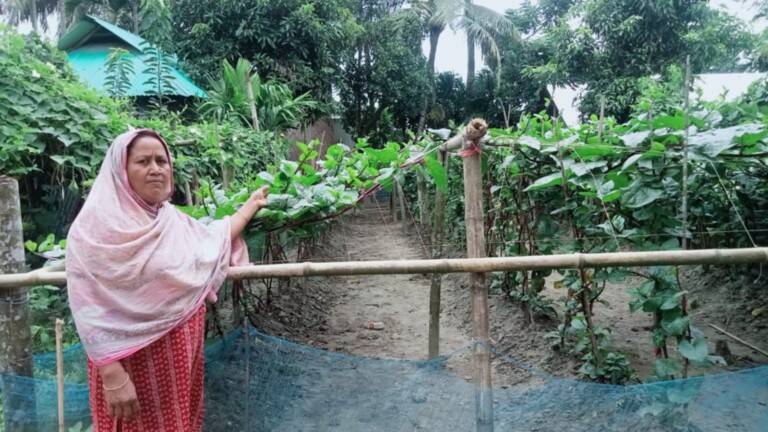
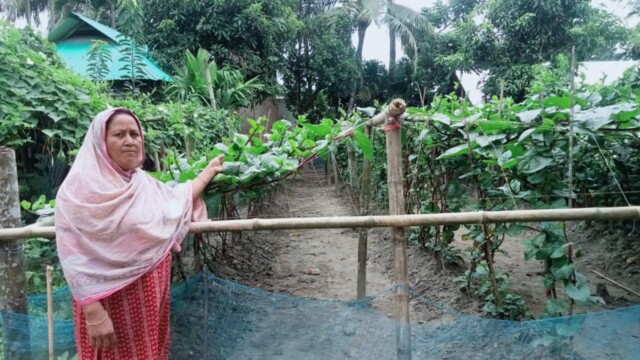
At Bishwanathpur village of Amtala Union, Netrokona, Morjina Begum’s homestead now serves as an agroecology learning center. Her life revolves around 7 kathas of rice field, 3 kathas of pond, and a 10-decimal courtyard. While her husband focused on rice farming, Morjina herself handled every stage of vegetable farming ranging from soil preparation to sowing. She built a beautiful vegetable trellis in her yard, designed to allow year-round production. In the monsoon, she grows climbing Malabar spinach on it, with amaranth, jute greens, and water spinach below. She plans advance winter crops before the monsoon crops are finished. She also grows a local variety of “Ashwina” beans in the rainy season, which fetches high prices in winter which earns her 20–25 thousand taka annually from just one trellis.
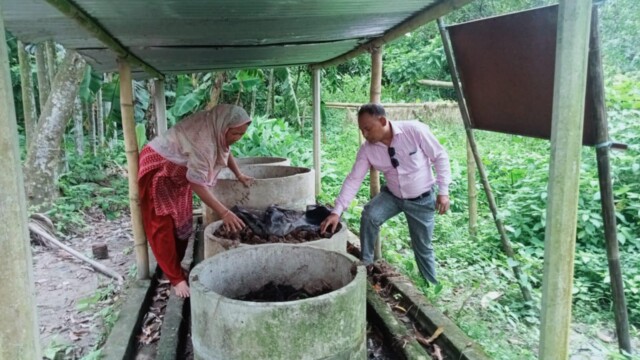
Vermicompost
Maximizing Fallow Land
With the aim to reduce dependence on the market, Morjina uses every inch of her lands to grow turmeric, ginger, and coriander. On one side she planted a lemon orchard, while behind the house she has a bamboo grove that saves her the cost of buying fencing materials.
Diverse Crops on the River Char
Beside her house flows the Mogra River. Every winter she cultivates 8 to 10 types of crops on its fertile char land. The crops include: cucumber, pumpkin, chili, jute, mustard, onion, garlic, coriander, and more. These meet her household needs and she also earns cashes amounting to BDT 20 to 30 every season.
Conserving Biodiversity
Every year Morjina plants fruit trees around her yard: mango, jackfruit, lychee, hog plum, pomelo, betel nut, coconut, guava, papaya, banana, and more. Birds find refuge in these trees and in her bamboo grove and other native species behind the house, helping to maintain ecological balance. Her lemon tree produces enough for the family and even she sells the surplus in the markets.
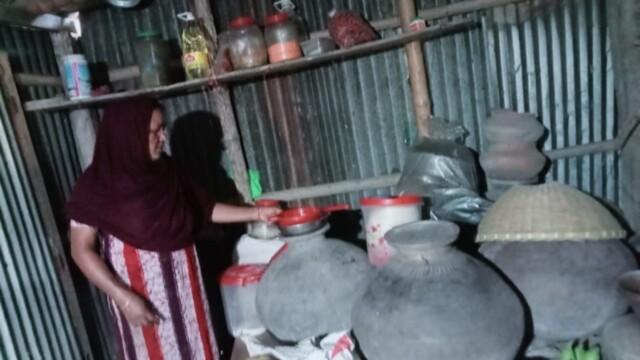
Seed storage
Livestock rearing and Fish Farming
Morjina reares cows, ducks, and chickens, meeting her family’s nutritional needs and selling surplus. Cow dung and poultry droppings enrich her fields with organic fertilizer, boosting vegetable quality and demand. She even turned underperforming rice fields into small ponds to farm local fish, providing 2–3 months of fish each year.
Seed conservation and Sharing
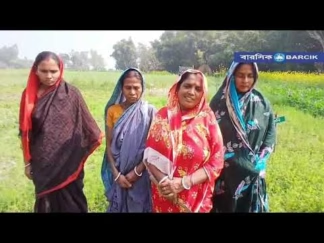
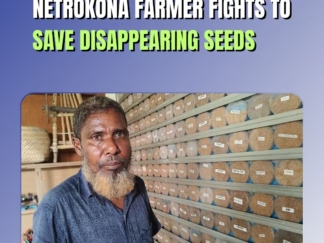
Morjina conserves seeds from her own vegetables. Last year she distributed seeds of bottle gourd, amaranth, beans, Malabar spinach, and chili among 50–60 women in four villages of Netrakona.
Safe Food and Vermicomposting
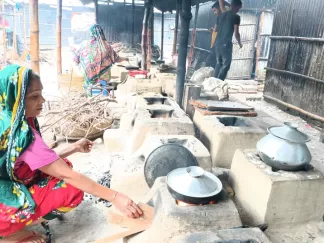
She learned vermicomposting with BARCIK’s support and built a composting shed at home. Seeing her success, the local agriculture office provided a composting machine to her to make works easier.
Training and Outreach
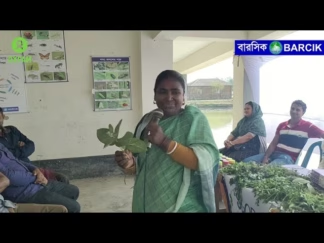
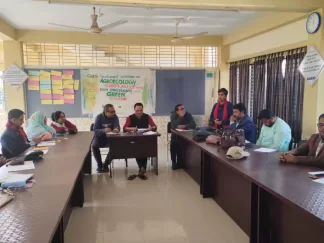
In the past six months alone, Morjina has organized training sessions on sustainable farming, food sovereignty, organic pest control, and vermicomposting, inspiring her neighbors. About 15 families in her village have built vegetable trellises in their own yards following her advice.
Conclusion
By applying her own knowledge, experience, and resources, Morjina Begum has transformed not only her own life but also become an inspiring model for other rural women seeking self-reliance. She is also contributing to protecting the environment and biodiversity of her village.