By Monika Paik from the coast,
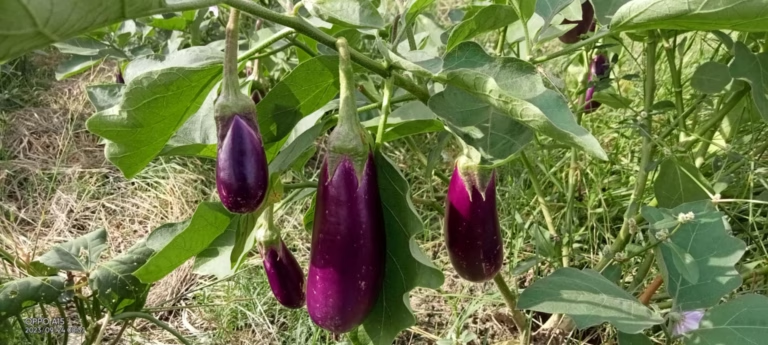
At 31, Tapos Kumar Mondal has already spent more than two decades in farming. A resident of Burigoalini Union’s Abad Chandipur village, he lives with his nine-member family and has transformed their small homestead into an integrated farm producing vegetables, livestock, fish, and vermicompost.
Tapos grew up helping his father irrigate fields and plant seedlings. Yet he watched his father struggle despite growing vegetables every year, the family still had to buy seeds, fertilizer, even food from the market. Tapos said, “Chemical fertilizers damaged soil health, shortened crop life, and kept yields low. I always dreamed of building a family farm based on organic methods”.
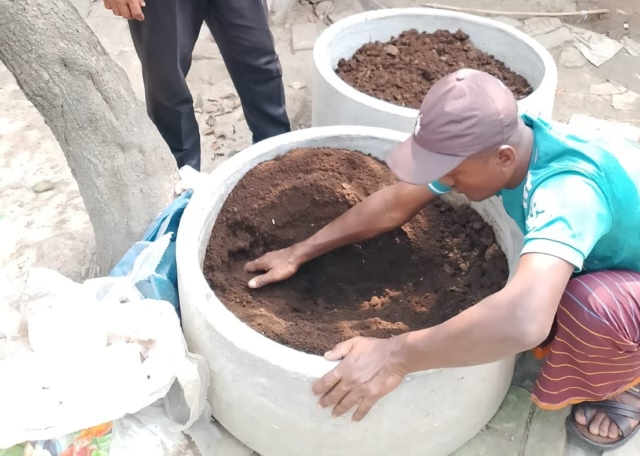
His turning point came when he joined a youth volunteer group formed with support from BARCIK. Through training and exchange visits, he learned about agroecolgical practices such as organic farming, seed conservation, livestock rearing, fish cultivation, and composting. He started small with homestead vegetables and goats. In 2023, his house was recognized locally as a model eco-friendly home.
With support, he began producing vermicompost using earthworms. At first, he was unsure of its value. But after applying it to his crops, the results surprised him: healthier plants, fewer pests, longer crop cycles, and nearly double profits. Unlike chemical inputs, vermicompost improved soil fertility without harming plants. In 2026, he bought a cow to expand compost production and hopes to build a larger center to meet local demand.
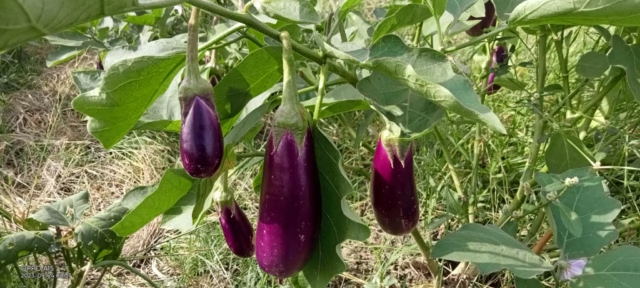
Today, his family grows most of their own nutritious food using local seeds, reducing dependence on the market. They also exchange seeds within the community, easing local shortages. Surplus vegetables are sold in the market, promoting healthier food choices in the area.
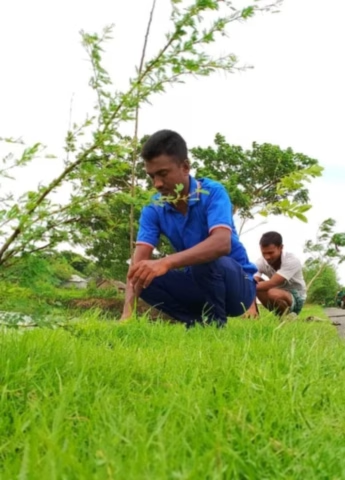
The farm is a true family effort. Men prepare land and harvest crops; women weed, conserve seeds, care for livestock, and produce organic fertilizers and natural pest repellents; children help with small tasks; elders share experience and advice-truly an agroecological practice cycle. The initiative has strengthened household food security, created income opportunities, and increased the family’s social standing.
Tapos follows fully organic, environmentally friendly practices using vermicompost, cow dung, pit compost, local seed varieties, mixed cropping, and natural pest control instead of chemicals. This reduces costs, protects biodiversity, and improves soil health.
He believes such models are gaining acceptance but need wider promotion through farmer-to-farmer learning, training, and local media. His integrated farm is also helping the community adapt to climate challenges like heavy rain, drought, and salinity by promoting resilient, sustainable agricultural practices.