By Md. Ohidur Rahman from Netrokona,
A recent field study conducted by BARCIK has revealed alarming impacts of excessive and unregulated pesticide use on the environment and public health in rural Bangladesh, particularly in Netrokona district.
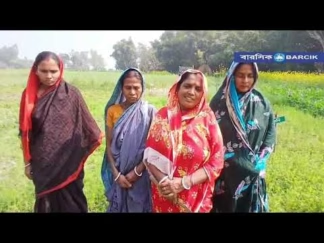
The study, based on interviews with 23 farmers from villages such as West Uluyati, Koirati, Kuniya, East Uluyati, and Ikratia of Atpara, found that indiscriminate pesticide use is causing severe ecological damage and significant health risks. Farmers commonly use a wide range of pesticides, including banned and hazardous chemicals, without following safety guidelines or using any personal protective equipment (PPE) such as masks or gloves.
According to the findings, these farmers used pesticides worth BDT 1.375 million on 470 decimals of land over the past year. As a result, they collectively spent around BDT 1.79 million on health treatments. Reported health issues include headaches, nausea, vomiting, diarrhea, respiratory problems, high blood pressure, skin diseases, and even cases of suspected lung cancer and nervous system disorders. Alarmingly, farmers reported that their family members, including women and children, were also affected.
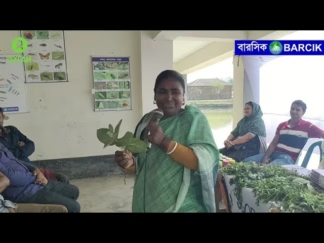
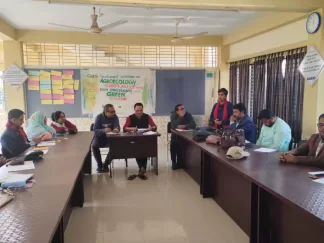
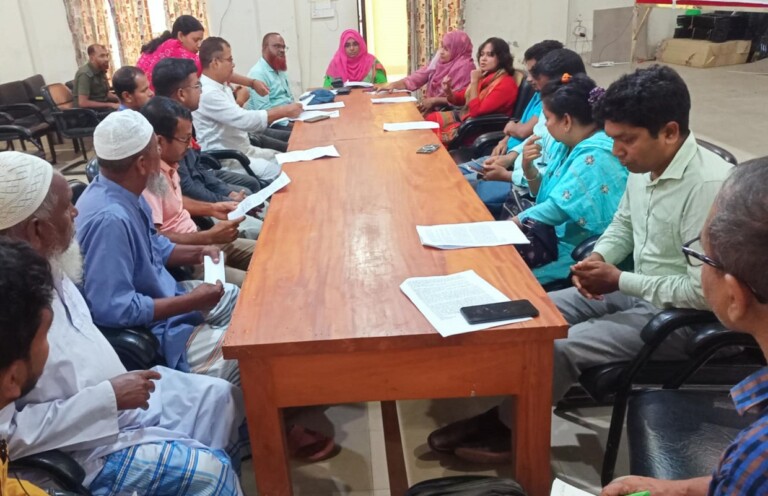
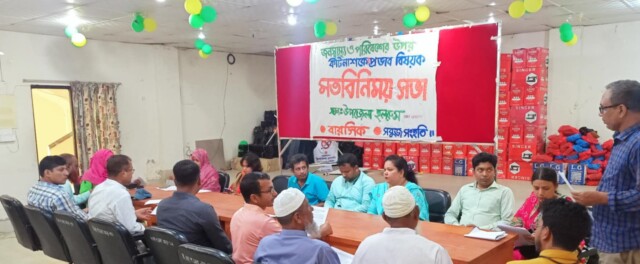
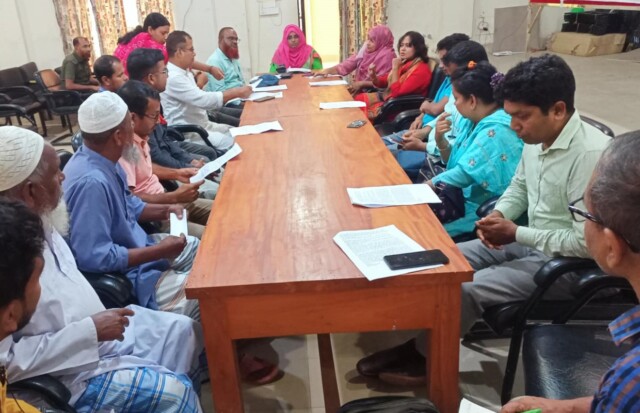
During a discussion meeting held at the Netrokona Sadar Upazila hall room to share the study’s findings, Upazila Nirbahi Officer (UNO) Ms. Asma Binte Rafiq attended as the chief guest. The session was presided over by Principal Anwar Hasan, president of the Agricultural Land Protection Movement. Officials from agriculture, livestock, food safety, environment, and community health departments, as well as journalists, pesticide traders, researchers, and affected farmers, were present.
The participants expressed concern over the loss of biodiversity due to pesticide contamination. Villagers reported a significant decrease in fish, frogs, bees, earthworms, and beneficial birds like sparrows, mynas, kingfishers, and drongos. They also observed that dead insects and birds are often found in the fields, believed to be poisoned by pesticides.
The study also noted a rise in unauthorized pesticide shops in rural areas, meeting the growing demand. Many farmers confessed to not reading the warning labels on pesticide containers and said that they had no idea how to use protective gear. Most use pesticides as a preventive measure, even when there is no visible pest attack.
The participants in the event have made some recommendation which include: Conduct local training and awareness programs for farmers, strengthen monitoring to prevent the use and sale of banned pesticides; Shut down unauthorized pesticide outlets; Promote organic and ecological farming practices; Provide farmers with accurate information on pesticide risks; Organize training workshops for pesticide dealers etc.