By Shimul Kumar Biswas from Manikgonj
Bangladesh’s agriculture is facing a difficult reality. The combined pressures of climate change, market-dependent modern farming, monocropping, and growing reliance on hybrid seeds are shrinking the rich diversity of local seed varieties. While production costs continue to rise, farmers struggle to get fair prices for their crops.
In the past, farming knowledge passed naturally from father to son, sustaining traditional agricultural wisdom across generations. Today, however, that chain is weakening. Many young people are becoming detached from agriculture, raising concerns for the future of agriculture.
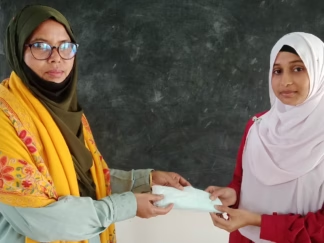
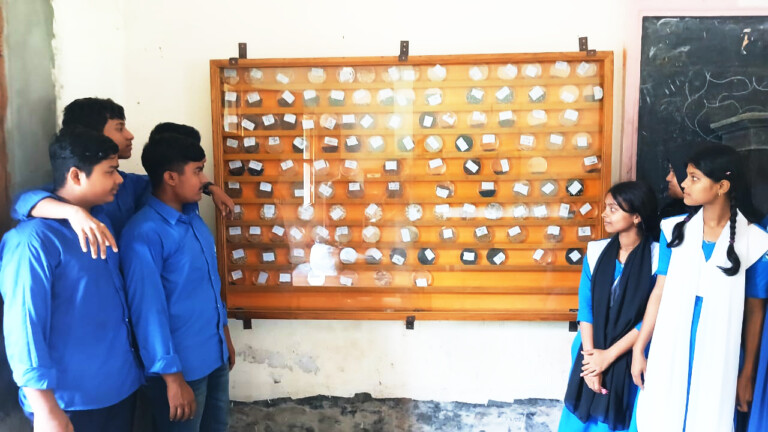
With the aim to address this challenge, BARCIK, has taken an initiative to inspire the younger generation to value agricultural biodiversity. Recently, BARCIK, in collaboration with teachers and students, established three seed libraries at Bayra High School, Choto Kaliakoir Khan High School, and South Jamsha High School in Singair upazila of Manikganj.
As part of the initiative, students and teachers visited a school-based seed library in Tanore, Rajshahi, which motivated them to start similar efforts in their own schools. With the support of teachers and BARCIK, students began collecting and conserving seeds.
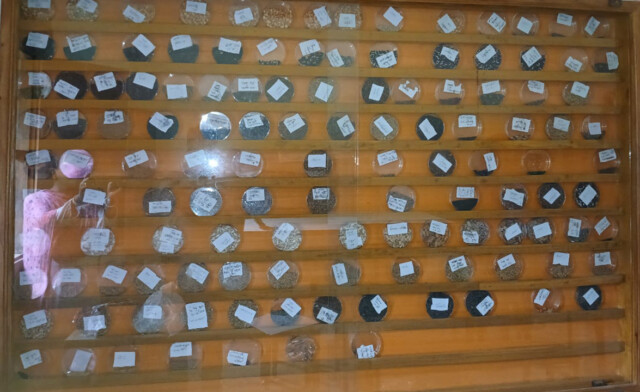
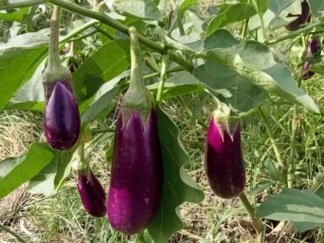
Now, these school-based libraries are conserving more than a hundred varieties of local seeds, including rice, wheat, maize, pulses, sesame, and vegetables. “This is the first time I have seen so many local seed varieties together,” said Sagar Hossain, a student of Bayra High School. “I didn’t know our country had such diversity” he added.
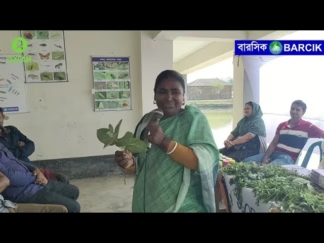
Teachers said that the initiative aims to ensure students to learn not only from textbooks but also from agriculture and biodiversity. BARCIK officials stress that without youth involvement in farming and nature, sustainable agriculture will not be possible. Abdul Halim, head teacher of Bayra High School, said, “The future of agriculture lies in the hands of the young generation. Yet, they are losing interest in farming as a profession.” He attributed this to shrinking farmland, the absence of fair crop prices, and the low social status of farming. However, he believes seed libraries will spark curiosity among students about farming, seed conservation, and eco-friendly practices, helping to safeguard agricultural biodiversity.
Md. Jubayer Hossain Khan, head teacher of Kaliakoir Khan High School and president of the Singair Upazila Green Coalition Committee, said: “We want students to gain real-life knowledge alongside academic learning. Agriculture is vital for their future. Seed libraries will teach them responsibility toward nature and farming. To sustain agricultural productivity, we must conserve and use local seed varieties, and school-based seed libraries will play a key role in creating awareness.”
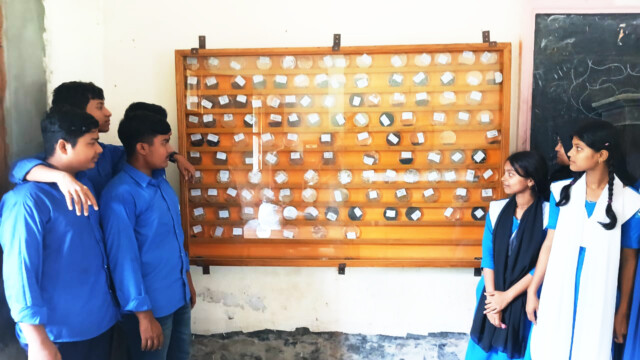
Despite climate challenges and market pressures, agriculture in Bangladesh still holds promise. Conserving local seeds, expanding organic farming, and engaging the youth are pathways to sustainable agriculture. School seed libraries show the way forward.
BARCIK plans to expand this initiative to more schools, combining practical agricultural training, organic farming practices, and farmer-student knowledge exchanges. The objective is seed conservation and nurturing a love for agriculture and biodiversity among the next generation.
Seed libraries at schools are a timely initiative. They will make students aware and contribute to future farmer-led agriculture, food security, and food sovereignty.